
our services

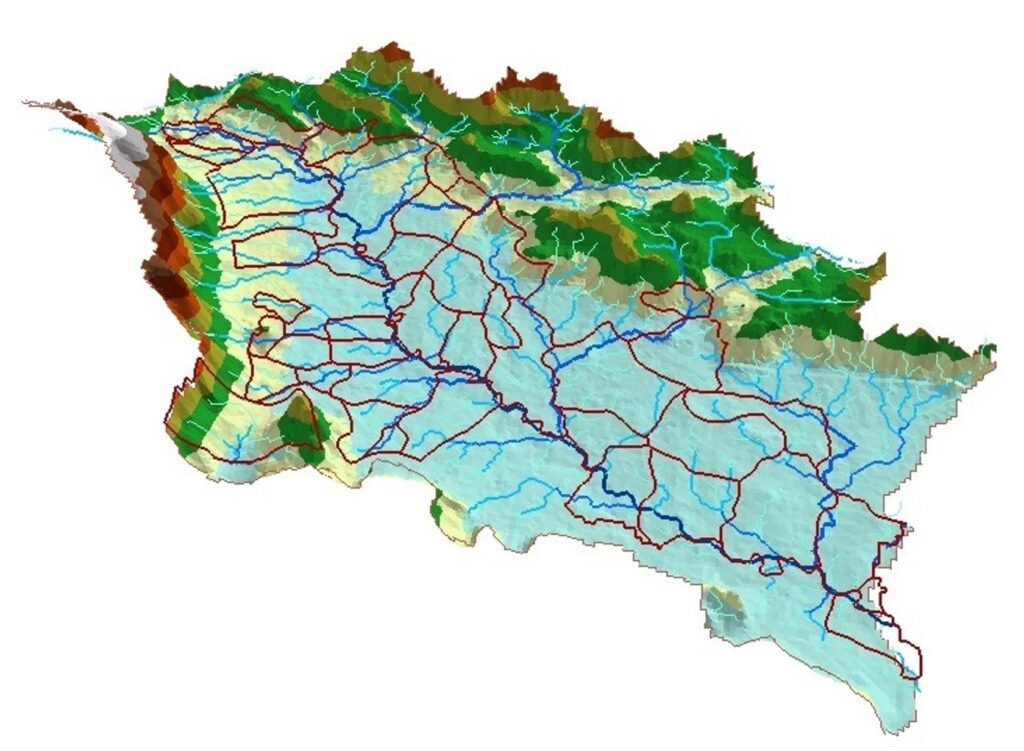
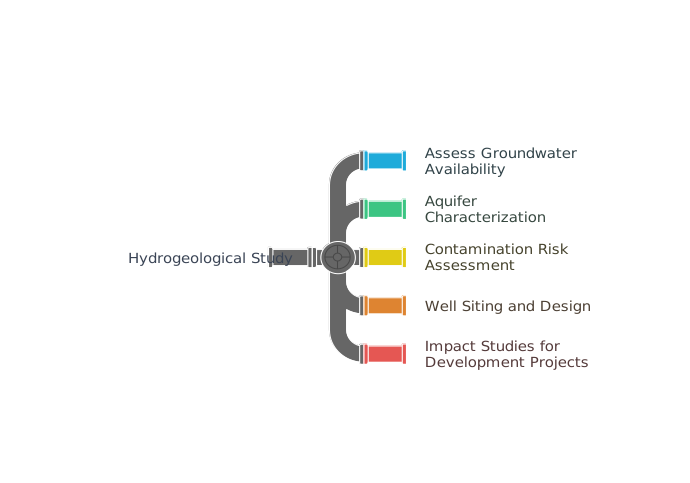
We provide holistic technical assistance covering Promotion of Climate Smart Agriculture Practices, Hydrogeological and Geophysical Studies, Topographical Surveys, Civil Works, and Water and Energy Audits. Our services enhance infrastructure, water and sanitation supply systems, and effective management of wastewater and solid waste, tailored to uplift and benefit marginalized community sustainably and efficiently.
By Farmer Producer Organizations and Companies, we deliver capacity-building and technical guidance that strengthen local agricultural value chains. Our support enables these groups to adopt sustainable practices, improve productivity, and advocate for environmental and social governance, thereby fostering community-led development and resilience.
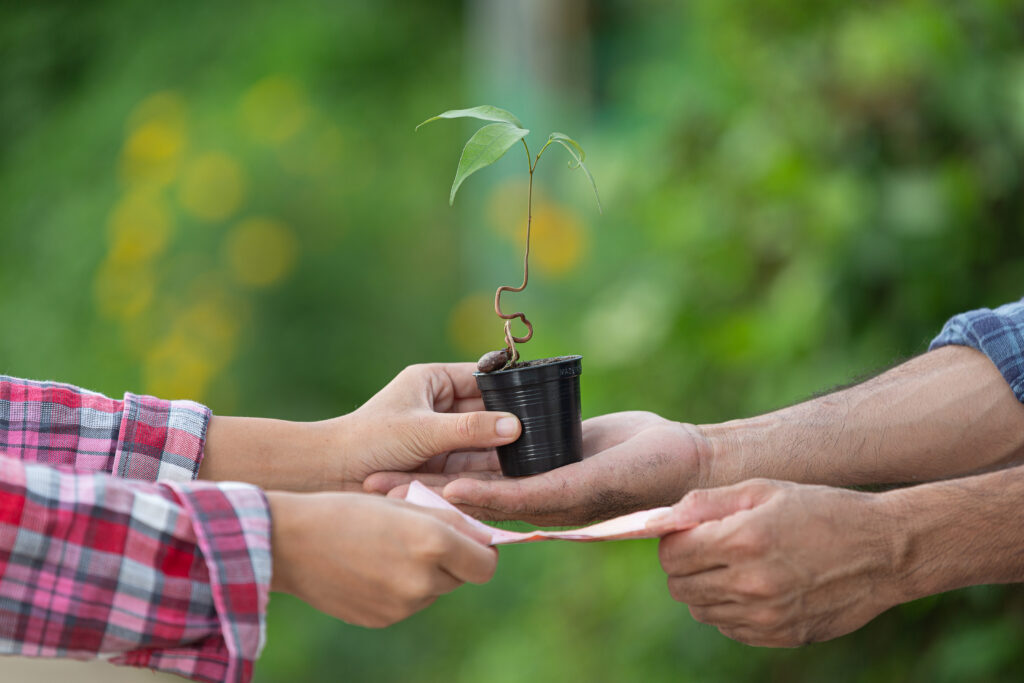
Employment and income generation are crucial components of economic development. AFPRO Foundation supports communities creating livelihood opportunities, enhancing skills, and facilitating access to markets and financial resources. To achieve this we promote skill development and vocational trainings to enhance employability. We promote small businesses through entrepreneurship training, mentorship, and access to seed capital or microcredit, and market linkage facilitation to access local, regional, and online markets are facilitated by us, for products and services offered by enterprises. Sustainable Livelihoods programs will support in promoting agriculture, animal husbandry, and allied sectors with improved practices and value chain development.
AFPRO Foundation is committed to fostering inclusive growth by melding innovative technical solutions with community empowerment. Our integrated approach ensures that environmental sustainability, social welfare, and governance coexist to build resilient, equitable systems where communities can prosper sustainably.





Get Involved
We actively collaborate with governmental bodies, NGOs, and local stakeholders to scale our impact. Transparent communication and shared goals guide our partnerships, enabling the design and implementation of projects that are context-specific and culturally appropriate. Our commitment is to build lasting alliances that amplify resource mobilization and innovative solutions to benefit the most vulnerable communities across regions.